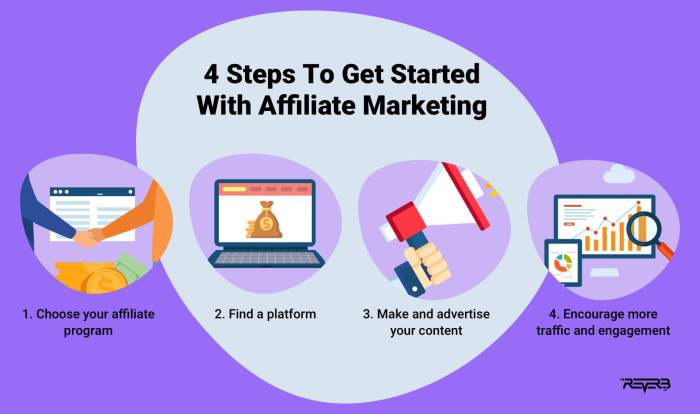
ClickBank affiliate marketing presents a compelling avenue for online entrepreneurship, offering a vast marketplace of digital products to promote and earn commissions. This guide delves into the intricacies of this model, from selecting profitable products and crafting effective marketing strategies to building a loyal audience and navigating the legal landscape. We’ll equip you with the knowledge and tools to succeed in this dynamic field.
Understanding the ClickBank platform, its product offerings, and the various marketing techniques involved is crucial for success. This guide provides a structured approach, covering everything from initial setup and product research to campaign optimization and performance tracking. We’ll explore both organic and paid marketing strategies, highlighting best practices and potential pitfalls to avoid.
Case Studies and Examples
Successful ClickBank affiliate marketing hinges on strategic planning and execution. Understanding how others have achieved success, and the challenges they’ve overcome, provides invaluable insights for building your own profitable campaigns. This section examines several case studies, highlighting diverse marketing approaches and the key lessons learned.
Successful ClickBank Affiliate Campaign Examples
Several campaigns have demonstrated significant success on ClickBank. While specific sales figures are often confidential, common threads exist in their strategies. One recurring theme involves focusing on a niche with high demand and low competition. Another involves leveraging effective paid advertising, such as targeted Facebook or Google Ads campaigns, to reach potential customers precisely. Finally, building a strong brand and reputation through consistent high-quality content creation is crucial for long-term success.
These campaigns demonstrate that a well-defined strategy, consistent effort, and a deep understanding of the target audience are vital components.
Case Study: Niche Website Focused on Weight Loss
This case study follows a marketer who built a website dedicated to natural weight loss solutions. The marketer focused on a specific sub-niche within the broader weight loss market, targeting individuals seeking herbal remedies. By creating informative and engaging content, such as blog posts and product reviews focusing on ClickBank products in this niche, they attracted organic traffic through search engine optimization ().
They also ran targeted Facebook ads to reach a wider audience. The challenge was maintaining consistent content creation and managing the paid advertising budget effectively. The lesson learned was the importance of thorough research to identify less competitive, high-demand s, and the value of A/B testing different ad creatives and landing pages to optimize conversion rates.
Case Study: Email Marketing Campaign for Fitness Supplements
This campaign leveraged email marketing to promote ClickBank fitness supplements. The marketer built an email list through a lead magnet—a free ebook on workout routines—and then nurtured the leads with valuable content and product promotions. The challenge was maintaining a high open and click-through rate while avoiding being flagged as spam. The lesson learned emphasized the importance of segmentation and personalization in email marketing, as well as complying with all relevant email marketing regulations.
This resulted in higher engagement and conversion rates. They also learned the importance of building trust and rapport with subscribers to foster long-term relationships.
Case Study: YouTube Review Channel for Tech Products
This marketer created a YouTube channel reviewing ClickBank tech products. By providing honest and unbiased reviews, they built trust with their audience. They incorporated affiliate links in their video descriptions, driving traffic to ClickBank product pages. The challenge was creating high-quality videos consistently and managing the time commitment required. The lesson learned was the importance of creating engaging and informative content that resonates with the target audience.
The channel’s success was attributed to a combination of quality content and consistent uploads.
Summary of Key Takeaways
| Case Study | Marketing Strategy | Challenges | Lessons Learned |
|---|---|---|---|
| Niche Website (Weight Loss) | & Targeted Ads | Content creation, budget management | research, A/B testing |
| Email Marketing (Fitness Supplements) | Email list building & nurturing | Maintaining high open rates, avoiding spam | Segmentation, personalization, building trust |
| YouTube Reviews (Tech Products) | Video reviews & affiliate links | Consistent content creation, time management | Engaging content, audience engagement |
Mastering ClickBank affiliate marketing requires a blend of strategic planning, diligent execution, and continuous learning. By leveraging the strategies Artikeld in this guide – from careful product selection and targeted marketing to consistent audience engagement and performance analysis – you can significantly increase your chances of success. Remember that building a sustainable online business takes time and effort, but with dedication and the right approach, the rewards can be substantial.
FAQ Compilation
What is ClickBank’s commission structure?
ClickBank’s commission structure varies depending on the product. Each product sets its own commission percentage, typically ranging from 20% to 75% of the sale price.
How long does it take to see results from ClickBank affiliate marketing?
The timeframe for seeing results varies greatly depending on factors like your marketing efforts, niche selection, and audience engagement. Some affiliates see results quickly, while others may take several months to build momentum.
Are there any costs associated with becoming a ClickBank affiliate?
Becoming a ClickBank affiliate is free. However, you may incur costs related to marketing, website hosting, and other promotional activities.
How can I avoid scams on ClickBank?
Thoroughly research any product before promoting it. Look for products with positive customer reviews, high gravity scores (indicating popularity), and reputable vendors. Avoid products that make unrealistic promises or use aggressive sales tactics.